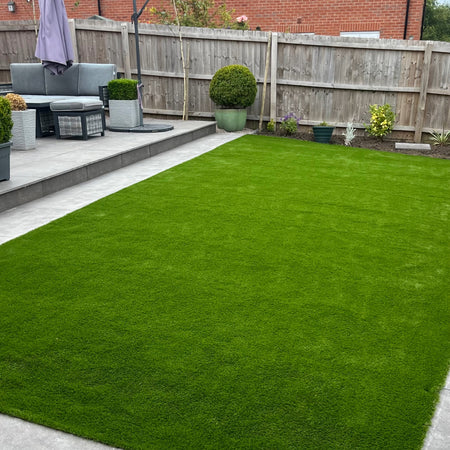
Installing artificial grass is not just about laying the turf. The preparation underneath is what determines how your lawn will look and perform over time. A well prepared base ensures proper drainage, a smooth finish, and long lasting results.
This guide focuses specifically on how to prepare your garden for artificial grass, using best practices.
Table of Contents
- Why preparation matters for artificial grass.
- Removing existing grass and materials.
- Creating a solid sub base.
- Levelling and compacting the surface.
- Final checks before laying artificial grass.
Why Preparation Matters for Artificial Grass
The foundation of artificial grass is what keeps it looking even and performing well. Skipping preparation can lead to uneven surfaces, poor drainage, and visible dips over time.
Preparation is important because:
- It ensures proper water drainage.
- It prevents sinking and uneven areas.
- It creates a smooth and professional finish.
Taking the time to prepare correctly makes a noticeable difference in the final result.
Removing Existing Grass and Materials
The first step is clearing the area completely.
This stage involves:
- Removing natural grass and weeds.
- Digging out the top layer of soil.
- Clearing stones, roots, and debris.
A clean base allows the new layers to sit evenly and reduces the risk of future issues.
Creating a Solid Sub Base
The sub base is essential for stability and drainage. It forms the structure that supports the artificial grass.
A proper sub base includes:
- A layer of crushed stone or aggregate.
- Even distribution across the area.
- A depth suitable for the level of use.
This layer helps water drain away while keeping the surface firm.
Levelling and Compacting the Surface
Once the sub base is in place, it needs to be levelled and compacted properly.
This step ensures:
- A smooth and even surface.
- No dips or raised areas.
- Long term stability underfoot.
Compacting the base thoroughly prevents movement and keeps the artificial grass looking flat.
Final Checks Before Laying Artificial Grass
Before installing the artificial grass, a few final checks help ensure everything is ready.
Make sure:
- The surface is fully level.
- Drainage is working correctly.
- Edges are clearly defined for fitting.
These final steps help achieve a clean and professional finish.
A Strong Foundation for Long Lasting Results
Preparing your garden properly is the key to successful artificial grass installation. A solid base improves drainage, enhances durability, and ensures your lawn looks great for years to come.
Explore the full range of artificial grass and installation accessories.