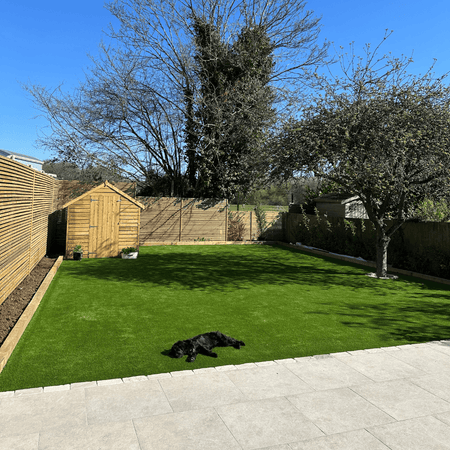
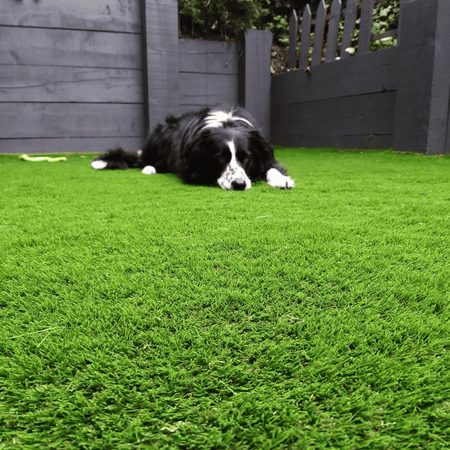
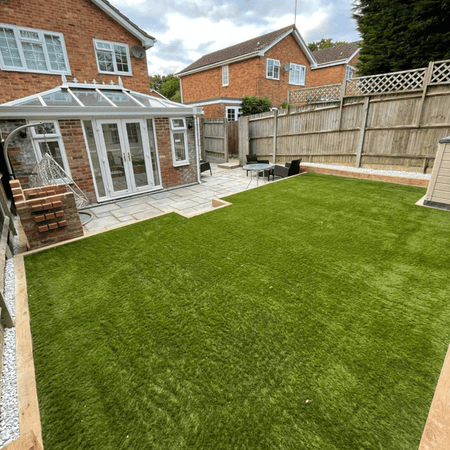
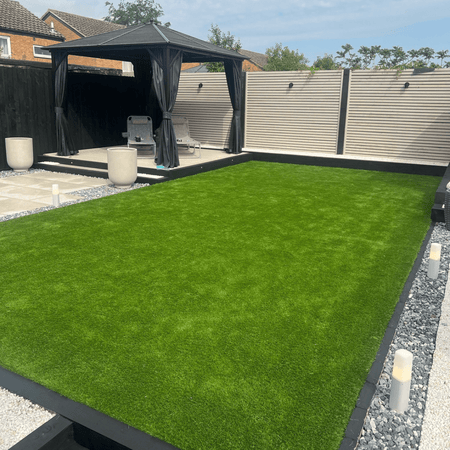
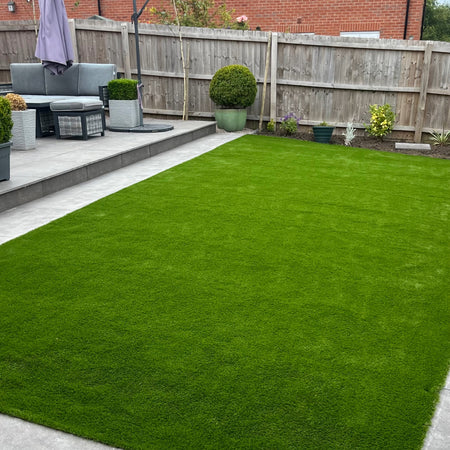
Proper groundwork and the right underlay are essential to make artificial grass perform well and last. Laying artificial turf over a good foundation ensures better drainage, comfort, weed prevention and a stable, even surface underfoot. Choosing the correct layers under your lawn helps ensure a clean, durable finish.
Why Underlay and Base Layers Matter
- A stable sub-base prevents the turf from shifting, wrinkling or wearing unevenly over time.
- Drainage and soil separation stop water logging and prevent soil or mud from mixing with infill or subsoil.
- Weed prevention layers stop weeds growing up through the turf, reducing maintenance and preserving appearance.
- Underlay or cushioning layers add comfort underfoot, especially helpful if you have kids, pets or use the lawn a lot.
What to Lay Under Artificial Grass
Depending on your base (soil, concrete, decking, etc.) and how you plan to use your lawn, the site offers a range of suitable under-layers and accessories:
Key Products You Can Buy
- Heavy Duty Geotextile Weed Membrane — a non-woven drainage membrane to separate soil from the base layer and improve drainage. Useful for gardens and drainage systems.
- Weed Membrane Suppressant — a lighter-duty but effective weed barrier membrane, helpful in domestic lawns to prevent weed growth under turf.
- Artificial Grass Joining Tape — used when you need to join two pieces of turf together, especially for larger areas where one roll is not enough.
- Artificial Grass Glue Cartridge — weather-resistant adhesive used to securely bond turf edges or joins, ensuring a stable, long-lasting installation.
- Wet Fix Artificial Grass Adhesive — a stronger adhesive suitable for securing turf to hard surfaces, with resistance to moisture and weather.
- Membrane Fixing Pegs — pegs to anchor membranes and underlay securely to the sub-base so they stay flush when you lay the grass on top.
How Each Product Helps
- Weed membranes (either heavy-duty geotextile or lighter suppressant) block weeds from pushing up through the turf and ensure soil does not mix with the base or infill. This keeps the lawn tidy and low maintenance.
- A solid membrane layer also improves drainage — water passes through rather than pooling, which protects the turf structure and prevents soggy spots.
- Joining tape with glue cartridges or wet-fix adhesive ensures that seams between turf rolls stay sealed and flat, giving a seamless, natural lawn appearance.
- Fixing pegs hold membranes or underlay in place so they do not shift when turf is laid or afterwards. This helps the installation remain stable.
Final Thoughts
What goes beneath artificial grass matters just as much as the grass itself. By selecting the right underlay, membranes, adhesives and fixing accessories, you build a base that supports the lawn for years with good drainage, weed protection, cushioning and a stable surface.