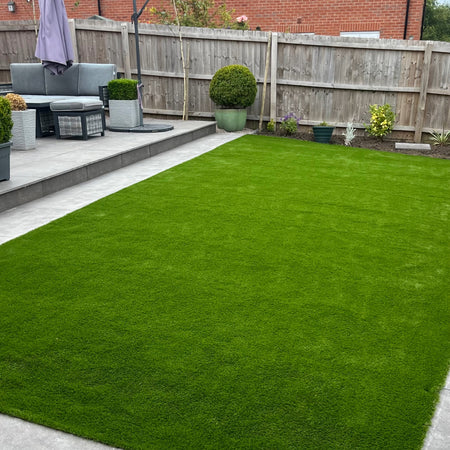
Winter is when most gardens start to look tired. Natural grass struggles with low sunlight, heavy rain, and constant moisture, often turning muddy and patchy. Artificial grass offers a consistent alternative that keeps gardens looking neat even through the coldest months.
Table of Contents
- Why natural grass struggles in winter.
- How artificial grass performs in cold and wet weather.
- Drainage and mud prevention.
- Winter maintenance compared to real grass.
- Is artificial grass a good winter solution for your garden?
Why Natural Grass Struggles in Winter
During winter, natural lawns face reduced sunlight, excess rainfall, and lower temperatures. These conditions make it difficult for grass to grow and recover from wear.
Common winter issues include:
- Waterlogged soil that turns muddy.
- Bare patches where grass stops growing.
- Increased damage from foot traffic.
Once damaged, natural lawns often take months to recover.
How Artificial Grass Performs in Cold and Wet Weather
Artificial grass is designed to cope with changing weather conditions without losing its appearance.
Artificial grass performs well in winter because:
- It does not rely on sunlight to stay green.
- It remains consistent despite heavy rain.
- It keeps its shape and colour all year.
This makes it ideal for gardens that look dull or unusable during winter months.
Drainage and Mud Prevention
One of the biggest advantages of artificial grass in winter is how it handles water.
Artificial grass helps prevent mud because:
- Rainwater drains through the backing.
- A proper sub base allows water to disperse quickly.
- The surface dries faster than soil.
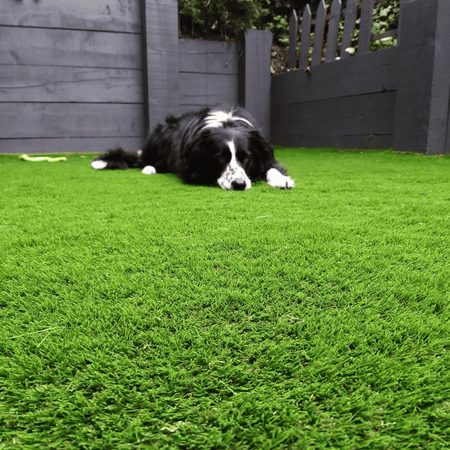
This keeps gardens cleaner and reduces mud being brought into the home.
Winter Maintenance Compared to Real Grass
Winter lawn care can be time consuming and frustrating.
Artificial grass requires far less effort because:
- There is no mowing or feeding.
- It does not need reseeding in spring.
- Only occasional brushing or rinsing is needed.
This makes artificial grass a low maintenance option during colder months.
Is Artificial Grass a Good Winter Solution for Your Garden?
Artificial grass is particularly effective for gardens that become unusable in winter.
It may be the right choice if:
- Your lawn becomes muddy after rain.
- Your garden gets limited winter sunlight.
- You want a tidy outdoor space year round.
Understanding how your garden behaves in the rain helps determine if artificial grass is the best solution.
A Garden That Stays Usable All Year
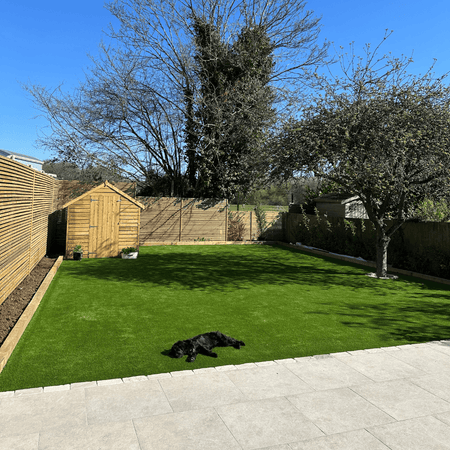
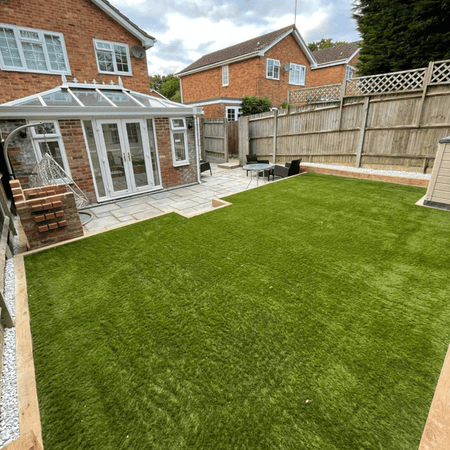
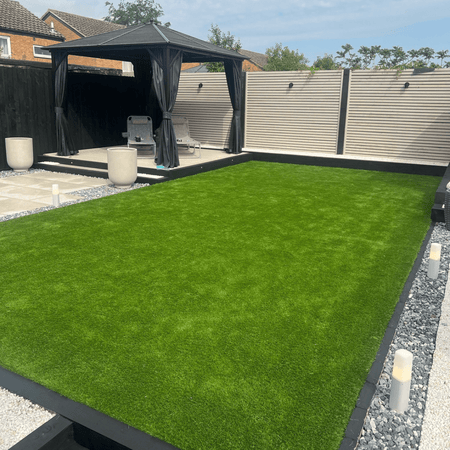
Artificial grass offers a reliable solution for winter gardens, keeping outdoor spaces clean, green, and functional when natural lawns struggle most.
Explore the full artificial grass range